

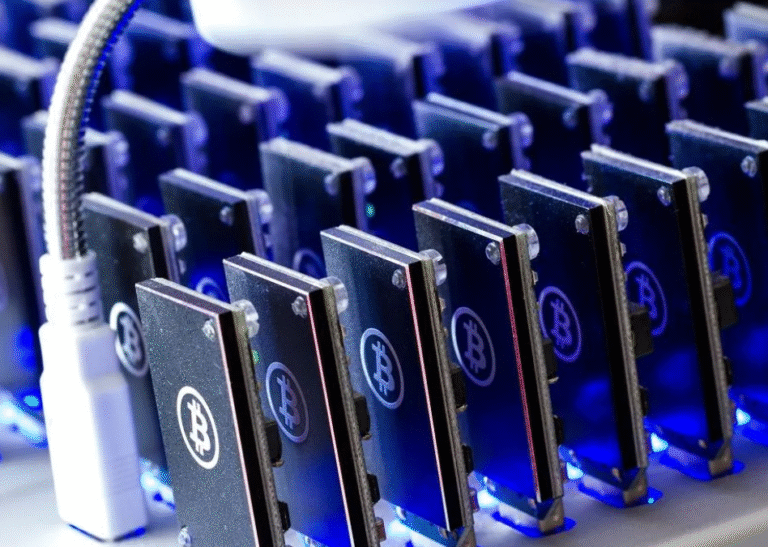
Crypto mining hardware centers on devices that perform the necessary computations to secure and validate blockchains. Each setup hinges on hash rate, power draw, and upfront costs, shaping profitability. Platforms range from CPU to ASIC, each with distinct trade-offs in efficiency and payoff. Setup, cooling, and depreciation influence long-term viability. The balance of scalability, transparency, and resource use determines endurance, leaving the reader with a practical question: which combination best fits their constraints and goals?
What Is Crypto Mining Hardware and Why It Matters
Crypto mining hardware refers to the specialized devices used to perform the computations required to validate and secure blockchain networks. This equipment shapes efficiency, resilience, and decentralization by enabling participation beyond traditional financial centers.
The discussion considers crypto energy implications and mining ethics, emphasizing responsible deployment, transparent sourcing, and environmental accountability while maintaining an emphasis on performance, reliability, and freedom from centralized gatekeeping.
See also: The Importance of Data Protection Technologies
How Hash Rate, Power, and Cost Drive Profitability
Hash rate, power consumption, and upfront or ongoing costs collectively determine mining profitability.
In this analysis, operators compare hash rate efficiency against power draw and total cost to estimate net gains.
Higher hash rate or lower power reduces per-unit energy expense, boosting profitability.
Cost structure—purchase price, maintenance, and electricity—directly shapes return on investment and long-term viability.
CPU, GPU, FPGA, and ASIC: Choosing the Right Rig for You
Selecting the appropriate computational platform—CPU, GPU, FPGA, or ASIC—depends on workload characteristics, cost, and long-term goals.
The comparison remains anchored in performance profiles and scalability, not novelty.
A cpu baseline emphasizes steady, versatile results, while gpu latency matters for parallel tasks.
FPGA and ASIC offer specialization, yet require upfront design investment and longer payoff horizons for freedom-focused stakeholders.
Setups, Economics, and Smart Tips to Stay Profitable
How miners arrange their rigs and manage costs determines profitability as much as the hardware itself. Setups optimize airflow, cooling, and space, while economics focus on electricity contracts, maintenance, and depreciation. Smart tips emphasize modular upgrades, workload balancing, and risk diversification. Consider novel mining algorithms and evolving energy pricing to recalibrate profitability, leveraging scalable infrastructure and transparent accounting for sustainable, freedom-oriented operations.
Frequently Asked Questions
How Does Mining Hardware Affect Network Security and Decentralization?
Mining hardware shapes network security and decentralization by distributing control; more diverse hardware promotes resilience and reduces single-point risk, while centralized hardware concentrates influence, potentially weakening decentralization though improving efficiency and attack resistance across the network.
What Are the Environmental Impacts of Sustained Crypto Mining Operations?
Environmental impact emerges as a steady storm: energy consumption grows, ecosystems feel strain, and grids strain under demand. The analysis notes geographic disparities, policy gaps, and long-term sustainability risks, urging transparent accounting, efficiency tech, and accountable, freedom-respecting stewardship.
Can Mining Hardware Be Repurposed for Other Tasks or Projects?
Yes, mining hardware can be repurposed for alternative use cases beyond mining, leveraging its parallel processing and computational power. While capabilities vary, repurposing hardware presents practical, freedom-minded opportunities, though energy demands and compatibility considerations influence feasible alternative uses.
Which Regulatory Changes Could Affect Future Mining Profitability?
Regulatory changes could tighten disclosures and electricity reporting, impacting mining profitability. Skeptics assume inevitability; however, adaptable operators may offset costs. The focus remains on environmental impacts and sustainability, guiding policy toward energy efficiency while balancing freedom to innovate.
What Are the Best Practices for Hardware Lifecycle Management and Resell Value?
The best practices for hardware lifecycle management and resale value emphasize proactive procurement, sustainable maintenance, and timely depreciation decisions, optimizing hardware lifecycle stages and preserving resale value through documentation, firmware updates, standardized upgrades, and transparent condition reporting.
Conclusion
Coincidence threads through mining, linking hash rate, power, and cost as if fated to converge on profitability. A lone GPU recycle, a stray ASIC sale, or a forgotten power tariff can unexpectedly tilt returns. The rig that matches workload to energy price, scales efficiently, and depreciates wisely mirrors market rhythms we barely notice. In this probabilistic dance, disciplined evaluation and transparent practices turn chance into steady, replicable gains rather than isolated luck.