

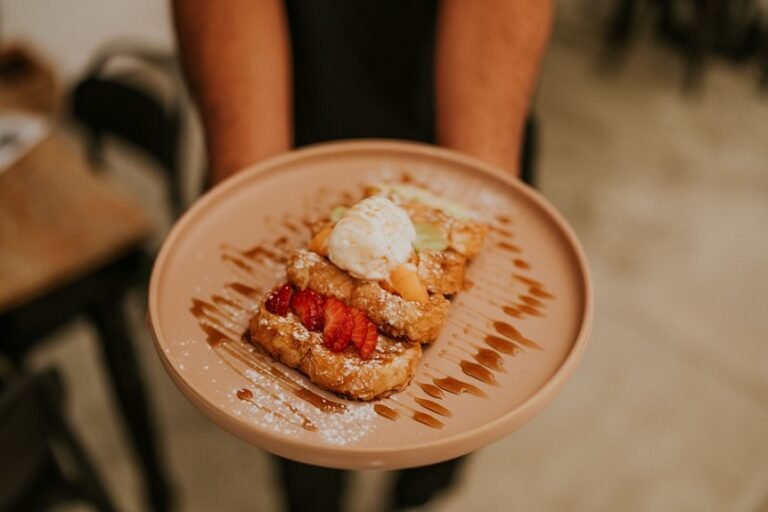
Food Call Houzipantinky invites scrutiny as a practice of culinary experimentation that foregrounds improvisation and precise texture play. The approach favors careful assemblage over whimsy, demanding attention to how ingredients converse and resist, yet it remains critically aware of tradition, memory, and audience reception. It questions what constitutes coherence amidst novelty, and how presentation shapes doubt and desire. A quiet tension lingers between ritual meaning and sensory surprise, compelling continued consideration beyond surfaces.
What Is Houzipantinky and Why It Sparks Curiosity
Houzipantinky is a term that has emerged in niche online communities as a playful descriptor for unconventional culinary experiments and quirky kitchen aesthetics. The concept centers on curiosity-driven exploration rather than tradition, highlighting improvisation and personal taste.
Houzipantinky origins are debated, yet the appeal lies in cultural curiosity, inviting critique, experimentation, and a liberated, inventive approach to food presentation and technique.
The Flavor Map: Ingredients, Textures, and Improvisation
The flavor map emerges as a practical framework for evaluating unconventional culinary experiments, balancing ingredients, textures, and improvisation with methodical scrutiny.
This approach treats flavor exploration as a dialogue between component choice and form, where texture contrasts reveal hidden affinities and tensions.
It remains critical yet liberating, guiding experimentation toward coherent, expressive dishes rather than random novelty.
People, Stories, and Traditions Behind the Dish
What underpins a dish often lies beyond its components: the people who crafted it, the stories that shaped its creation, and the traditions that sustain its practice. The account emphasizes craft networks, kinship ties, and local memory, rather than mere technique. It notes people origins and tradition myths shaping reception, legitimacy, and evolving meanings, while remaining critically attentive to power and erasure.
How to Enjoy Houzipantinky: Serving Ideas, Myths, and Memory-Making Moments
Across the palate and through communal memory, Houzipantinky reveals how people choose, share, and interpret the dish beyond its ingredients. The serving ideas emphasize balance, ritual, and context, while myths quietly shape expectations. Memory-making moments hinge on storytelling, tasting notes, and social permission. Two word ideas and nonessential topics surface, guiding curiosity without clutter, promoting freedom through restrained, precise appreciation.
Frequently Asked Questions
What Regional Origins Influence Houzipantinky’s Recipe Today?
Regional origins influence houzipantinky’s recipe today, shaping its diverse flavors as chefs adapt ingredients. The recipe evolution reflects migrations and exchanges, with critics noting hybrid techniques and local produce redefining texture, aroma, and balance for a freedom-seeking palate.
Are There Common Substitutions for Rare Ingredients?
Rare ingredient substitutions exist, but consistency suffers; cooks adapt with common stand-ins. Subtopic not relevant: Ingredient substitutions, Rare ingredient substitutions. An anecdote: a substitute lemon zest replaces zest’s brightness, tasting like a cautious dawn. Details deliberate, freedom-minded, critical, methodical.
How Has Houzipantinky Evolved in Modern Restaurants?
The current question: Houzipantinky has evolved in modern restaurants through the evolution in plating and globalization impact, with detachment. It is described as detail-oriented, descriptive, and critical, appealing to an audience that desires freedom and broader interpretation.
What Are Essential Cooking Mistakes to Avoid?
Essential mistakes mar sluggish sauces; cooking pitfalls creep quietly. He notes deliberate detail: sizzling, seasoning, timing, and temperature torque. The detached observer describes careful, curious cooks avoiding overreach, underseasoning, cross-contamination, and careless cleanup, preserving freedom through disciplined, deliberate culinary craft.
Can Houzipantinky Be Made Vegan or Gluten-Free?
Yes, houzipantinky can be vegan adaptations and gluten free substitutions. The review notes potential substitutions, detailing plant-based proteins and gluten-free flours, with careful texture and binding adjustments to preserve structure, flavor, and culinary freedom in preparation.
Conclusion
Houzipantinky unfolds as a careful conversation between constraint and whim, where texture and temperature negotiate taste. The dish invites improvisation without sacrificing coherence, each element tethered to memory and place rather than mere novelty. Its allure lies not only in surprises but in the way stories infuse technique with meaning. Like a compass carved into wood, memory guides interpretation, ensuring ritual remains a shared flourish rather than a solitary flourish. The result is curious, purposeful, and quietly sustaining.